

Menopause is an inevitable phase in the life of a woman life that can sometimes feel daunting and tough. As hormonal changes occur, many women face a plethora of symptoms that can impact their physical and emotional well-being. Knowing what to anticipate during this period is essential, and having trustworthy resources at your fingertips can make going through menopause much more manageable. This guide aims to deliver thorough insights and practical strategies to help women handle symptoms efficiently, take charge, and accept this new phase of life with confidence.
From comprehending the different stages of menopause to examining treatment options and lifestyle changes, this article will cover essential topics and reliable advice that can empower you. Whether you are currently in the perimenopausal stage, experiencing menopause, or transitioning into the postmenopausal phase, knowing what to expect and how to tackle symptoms is crucial to a healthier life. With the appropriate information, support systems, and self-care strategies, you can not only survive menopause but prosper in this enabling chapter of this life.
Understanding The Stages of Menopause
Menopause is a natural process that all woman experiences, generally occurring in 3 distinct stages: perimenopause, menopause , and the postmenopausal stage. Every stage offers individual physiological changes and challenges, making it crucial for women to comprehend what to expect as they transition through this phase of womanhood. Peri menopause typically starts in a woman’s 40s, a time when hormone levels start to fluctuate, leading to symptoms such as irregular periods, sudden hot sensations, and emotional ups and downs. This intermediate phase can continue many months as the body prepares for menopause.
The menopausal stage is officially defined as the time in time when a woman has not had a menstrual period for 12 straight months. This typically occurs in the upper 40s to early 50s. During menopause, estrogen and progesterone levels considerably drop, resulting in a variety of menopause effects. Women may face vasomotor symptoms such as sudden heat sensations and night sweats, as well as shifts in emotional health and sexual health. It is crucial to acknowledge these changes and explore therapeutic options, including hormone replacement therapy and lifestyle adjustments.
The postmenopausal phase marks the period after menopause has taken place and lasts for the rest of a woman's life. While the initial symptoms of menopause may decline, women may still experience long-term effects related to lowered hormone levels, such as increased risk of osteoporosis and cardiovascular issues. During this stage, keeping a fit lifestyle through regular exercise, proper nutrition, and continued health screenings becomes vital for preserving overall health and managing any ongoing symptoms. Learning about these stages can empower women to seek the help and resources they need throughout their menopausal experience.
Addressing Indicators and Therapy Alternatives
This life stage can bring a range of manifestations that fluctuate in severity and impact. Typical issues include hot flashes, emotional fluctuations, sleep disturbances, and cognitive challenges. Identifying these indicators and their underlying hormonal fluctuations is important for effective control. Many women discover relief through modifications such as regular physical activity, a nutritious diet full of phytoestrogens, and stress management strategies like being mindful and CBT. Identifying personal symptom triggers, such as drinks, coffee, or spicy dishes, also plays a crucial role in managing symptoms.
For women desiring more direct interventions, Hormone Therapy remains a common option. HRT can mitigate many menopause issues by replenishing levels of estrogen, but candidates should consider the benefits against potential risks. Estrogen therapy is effective for managing hot flashes and vaginal dryness, while progestin is typically prescribed to protect the uterine lining. Alternative prescription treatments, including medications like Fezolinetant options and selective serotonin reuptake inhibitors, offer alternative relief for those who do not wish to or choose not to use HRT.
In conjunction with medical therapy, non-prescription options, such asvaginal creams and personal lubricants, can aid with genital dryness. Furthermore, nutritional strategies like increasing intake of calcium and vitamin D can support bone density during this time of transition. Working with doctors to monitor symptoms and discuss tailored care strategies ensures a well-rounded approach in handling menopause and boosting overall well-being.
Way of Life and Wellness Approaches
Keeping a equilibrium way of life during the menopause transition is vital for general health. Regular physical activity can considerably alleviate many typical symptoms, such as gaining weight, mood swings, and fatigue. Taking part in pursuits like strolling, swimming, or yoga can encourage physical and emotional health. Target a blend of cardiovascular exercise and strength training to maintain muscle mass and bone density, which are essential during this stage of life.
Nutrition plays a key role in managing the menopausal symptoms and setting up for long-term health. Following a nutritious eating plan rich in fruits, vegetables, whole foods, and nourishing fats can help stabilize hormones. The Mediterranean-style diet, in particular, is beneficial due to its focus on plant estrogen-rich nutrients like legumes and grains. Staying hydrated and reducing processed foods can also help reduce inflammation and support general energy.
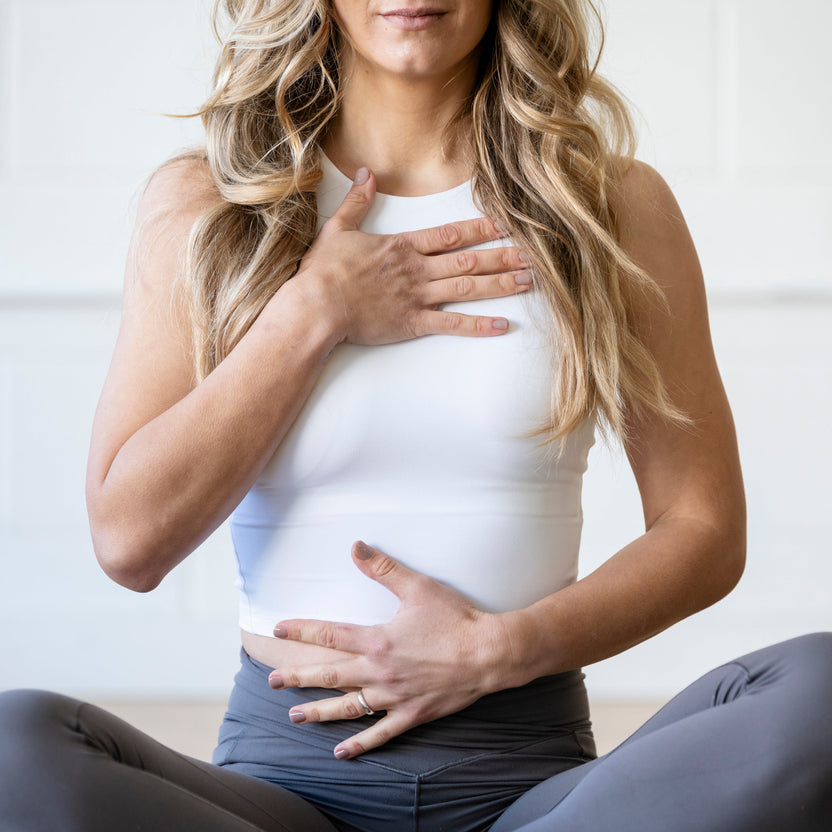
Including mindful practices and stress reduction techniques into your everyday routine can improve emotional health. Techniques such as mindfulness meditation, breathing exercises, and journaling can help in managing anxiety and mood swings. Additionally, ensuring sufficient good sleep habits is key; creating a calming night routine and limiting stimulants can result in better sleep, alleviating many menopause-associated sleep issues.